
As dog lovers, our furry friends hold a special place in our hearts, and as they age, it becomes even more important to provide them with the love and care they deserve. Just like humans, dogs experience changes as they grow older, and it’s essential to adapt our care routines to meet their evolving needs. In this article, we’ll explore how to care for senior dogs during their golden years, ensuring they live out their lives in comfort and happiness.
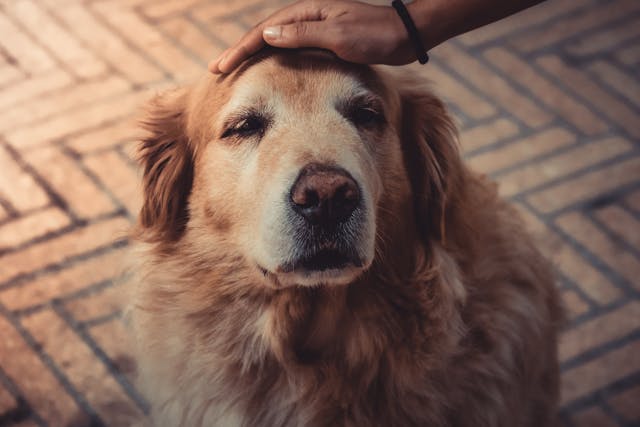
First and foremost, regular veterinary care is crucial for senior dogs. As dogs age, they are more susceptible to a range of health issues, including arthritis, dental disease, and cognitive decline. Schedule regular check-ups with your veterinarian to monitor your dog’s health and address any concerns promptly. Your vet may recommend additional screenings or adjustments to your dog’s diet and exercise routine to support their overall well-being.
Nutrition plays a vital role in keeping senior dogs healthy and active. As dogs age, their metabolism slows down, and their nutritional needs may change. Consider switching to a senior-specific dog food formulated with higher levels of antioxidants and joint-supporting ingredients. Monitor your dog’s weight and adjust their portion sizes as needed to prevent obesity, which can exacerbate health issues in older dogs.
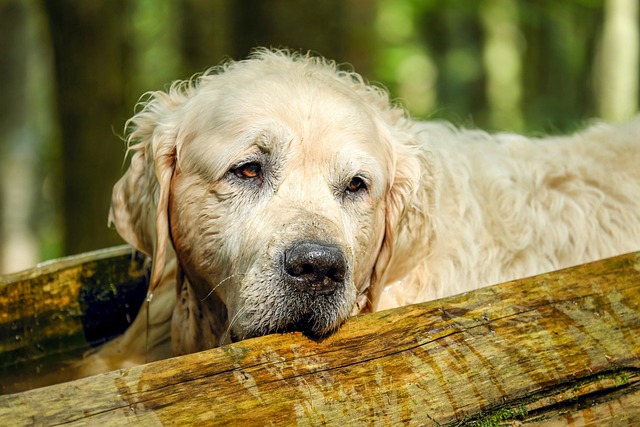
Maintaining a healthy weight is especially important for senior dogs to reduce strain on their joints and organs. Regular exercise helps keep senior dogs physically and mentally stimulated, but it’s essential to tailor the intensity and duration of activities to your dog’s individual needs. Low-impact exercises like leisurely walks, swimming, and gentle play sessions are ideal for senior dogs, providing them with the opportunity to stay active without putting excessive stress on their bodies.
As dogs age, they may experience changes in their mobility and comfort levels. Provide your senior dog with a comfortable sleeping area that offers plenty of support for their joints. Orthopedic beds are an excellent option for older dogs, providing cushioning and relief for achy muscles and joints. Consider placing ramps or steps near furniture and stairs to help your dog navigate their environment safely, especially if they have mobility issues.
Regular grooming is essential for senior dogs to keep their coats healthy and free of mats and tangles. Brush your dog regularly to remove loose fur and prevent skin irritation. Pay close attention to your dog’s ears, eyes, and teeth, as senior dogs are more prone to ear infections, eye issues, and dental problems. Schedule regular grooming appointments with a professional groomer to ensure your dog’s hygiene needs are met.
Senior dogs may also experience changes in their behavior and cognitive function as they age. Be patient and understanding with your dog if they begin to exhibit signs of confusion, disorientation, or anxiety. Provide them with a predictable routine and plenty of mental stimulation to keep their minds engaged. Puzzle toys, interactive games, and obedience training can help keep senior dogs mentally sharp and prevent cognitive decline.
In addition to physical and mental health, it’s essential to prioritize your senior dog’s emotional well-being. Spend quality time with your dog, offering plenty of affection, cuddles, and gentle play. Keep their living environment comfortable and stress-free, minimizing loud noises and sudden changes that may cause anxiety. Be attuned to your dog’s needs and behaviors, and seek professional help if you notice any significant changes in their mood or demeanor.
Finally, cherish every moment you have with your senior dog and celebrate the unique bond you share. While caring for an aging canine companion may present challenges, it also offers the opportunity to create lasting memories and deepen your connection. Embrace the golden years with love, compassion, and gratitude, knowing that you’re giving your senior dog the best possible care and quality of life.
Caring for senior dogs requires patience, understanding, and a commitment to meeting their changing needs. By providing regular veterinary care, proper nutrition, gentle exercise, and emotional support, you can help your senior dog enjoy their golden years to the fullest. Remember, every moment with your beloved canine companion is precious, so treasure the time you have together and continue to shower them with love and affection as they journey through their twilight years.


